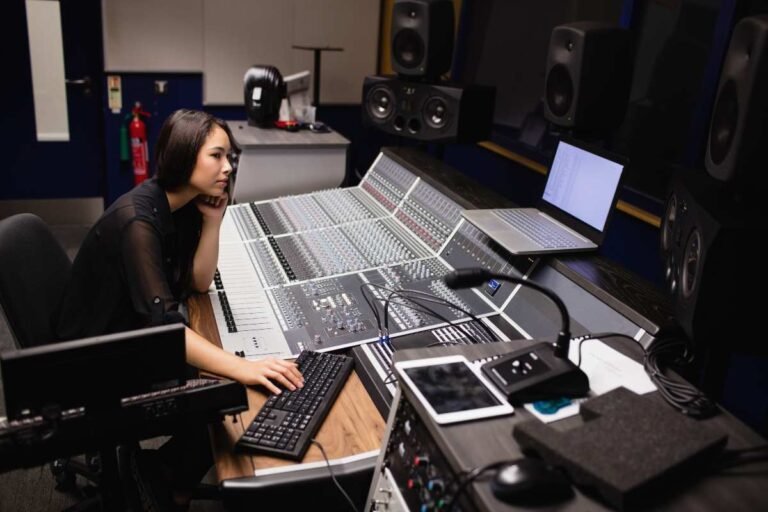
Music Technology GrossSound: How Modern Technology Is Transforming the Music Industry
Music and technology have always influenced each other. From the invention of the phonograph to modern digital streaming platforms, technology has continuously changed how people create, record, distribute, and enjoy music.
Today, the relationship between music and technology is stronger than ever. Artists can produce professional quality tracks from home studios, musicians can collaborate across continents, and listeners can access millions of songs instantly through streaming services.
This evolution is often described through the concept of Music Technology GrossSound, which represents the growing connection between advanced technology and modern sound production. It highlights how digital tools, software, and innovative equipment are shaping the future of music.
In this article, we will explore music technology, its benefits, key innovations, industry statistics, and what the future may hold for artists and listeners.
What Is Music Technology GrossSound?
Music Technology GrossSound refers to the use of technology in every stage of music creation and consumption. It combines digital tools, software applications, recording equipment, and online platforms to improve the music experience.
Modern music technology allows creators to:
- Record songs from virtually anywhere
- Edit audio with professional precision
- Distribute music globally
- Collaborate remotely
- Reach audiences through digital platforms
These advancements have reduced barriers to entry and made music production accessible to millions of people worldwide.
The Growth of Music Technology
The music technology sector has experienced significant growth over the past decade.
According to industry reports:
| Music Industry Statistic | Recent Estimate |
|---|---|
| Global recorded music revenue | Over $28 billion |
| Global music streaming users | More than 700 million |
| Digital music revenue share | Over 65% of total industry revenue |
| Independent artists using home studios | More than 70% |
| Daily music streams worldwide | Billions per day |
These numbers demonstrate how technology continues to drive the music industry forward.
How Technology Changed Music Production
Years ago, recording a professional album required expensive studios and specialized equipment. Today, many successful artists create chart topping songs from home.
Several technological developments have transformed production:
Digital Audio Workstations
Digital Audio Workstations, commonly known as DAWs, have become the foundation of modern music production.
Popular options include:
- Ableton Live
- FL Studio
- Logic Pro
- Cubase
- Pro Tools
These platforms allow musicians to record, edit, mix, and master tracks within a single environment.
Virtual Instruments
Virtual instruments have expanded creative possibilities for musicians.
Artists can now access:
- Piano libraries
- Drum machines
- Orchestral instruments
- Synthesizers
- Sound effects collections
This technology removes the need to purchase large collections of physical instruments.
Audio Editing Tools
Modern editing software enables producers to:
- Correct timing issues
- Remove background noise
- Improve vocal quality
- Adjust pitch
- Enhance overall sound clarity
As a result, creators can achieve professional quality recordings with fewer resources.
The Role of Artificial Intelligence in Music
Technology continues to introduce innovative tools into music production.
Some modern systems assist with:
- Audio enhancement
- Mixing support
- Sound analysis
- Personalized recommendations
- Music discovery
Streaming services use intelligent algorithms to recommend songs based on listening habits, helping users discover new artists and genres.

Streaming Platforms Revolutionized Listening
One of the most significant developments in music technology has been the rise of streaming.
Instead of purchasing individual albums, listeners can access enormous music libraries instantly.
Major advantages include:
- Unlimited music access
- Personalized playlists
- Offline listening options
- Global artist exposure
- Lower distribution costs
Streaming has become the primary way people consume music worldwide.
Benefits of Music Technology for Artists
Technology offers numerous advantages to modern musicians.
Greater Creative Freedom
Artists can experiment with sounds, effects, and instruments without major financial investments.
Lower Production Costs
Home studios have significantly reduced recording expenses.
Global Reach
Musicians can distribute their work to audiences around the world through digital platforms.
Faster Collaboration
Cloud based tools allow artists, producers, and engineers to work together remotely.
Independent Career Opportunities
Technology enables creators to build successful careers without major record label support.
Essential Music Technology Tools
The following tools are commonly used in modern music production.
| Technology | Primary Function |
|---|---|
| DAW Software | Recording and editing |
| MIDI Controllers | Instrument control |
| Audio Interfaces | Sound input and output |
| Studio Monitors | Accurate audio playback |
| Microphones | Recording vocals and instruments |
| Plugins | Sound enhancement and effects |
| Cloud Storage | File sharing and collaboration |
Together, these technologies form the foundation of contemporary music production.
Music Technology in Education
Educational institutions increasingly use technology to teach music.
Students can:
- Learn online
- Access virtual instruments
- Practice with interactive software
- Record performances digitally
- Receive immediate feedback
This approach improves accessibility and encourages skill development among aspiring musicians.
Challenges Facing Music Technology
Although technology offers many benefits, it also presents challenges.
Some common concerns include:
- Copyright protection
- Digital piracy
- Revenue distribution
- Market saturation
- Data privacy issues
As technology evolves, industry leaders continue developing solutions to address these concerns.
Emerging Trends in Music Technology
Several innovations are expected to influence the future of music.
Immersive Audio
Spatial and surround sound technologies create more realistic listening experiences.
Virtual Reality Concerts
Virtual performances are becoming increasingly popular among artists and fans.
Blockchain Applications
Blockchain systems may improve royalty tracking and payment transparency.
Smart Music Creation Tools
Advanced software continues to streamline production workflows and improve efficiency.
Enhanced Personalization
Music platforms are delivering increasingly customized listening experiences based on user preferences.
Why Music Technology Matters
Music technology is no longer limited to professional studios. It has become an essential part of everyday life.
Its impact extends across:
- Entertainment
- Education
- Marketing
- Gaming
- Film production
- Social media content creation
The ability to create, distribute, and consume music efficiently has transformed the entire industry.
Frequently Asked Questions
What is Music Technology GrossSound?
Music Technology GrossSound refers to the integration of modern technology into music creation, production, distribution, and listening experiences.
Why is music technology important?
It makes music production more accessible, reduces costs, improves creativity, and helps artists reach global audiences.
What software is commonly used in music production?
Popular software includes Ableton Live, FL Studio, Logic Pro, Pro Tools, and Cubase.
How has streaming changed the music industry?
Streaming provides instant access to music libraries, increases artist exposure, and generates a major portion of industry revenue.
Can beginners use music technology?
Yes. Many affordable tools and platforms are designed specifically for beginners and independent creators.
Conclusion
Music Technology GrossSound represents the powerful connection between creativity and innovation. Technology has transformed every stage of the music journey, from songwriting and recording to distribution and audience engagement.
The rise of digital production tools, streaming services, virtual instruments, and intelligent software has opened new opportunities for artists worldwide. What once required expensive studios and large budgets can now be accomplished with a laptop and the right tools.
As technology continues to evolve, the music industry will become even more accessible, interactive, and innovative. Musicians, producers, and listeners alike will benefit from advancements that make creating and experiencing music easier than ever before.
The future of music is deeply connected to technology, and that future is already shaping the sounds we hear today.