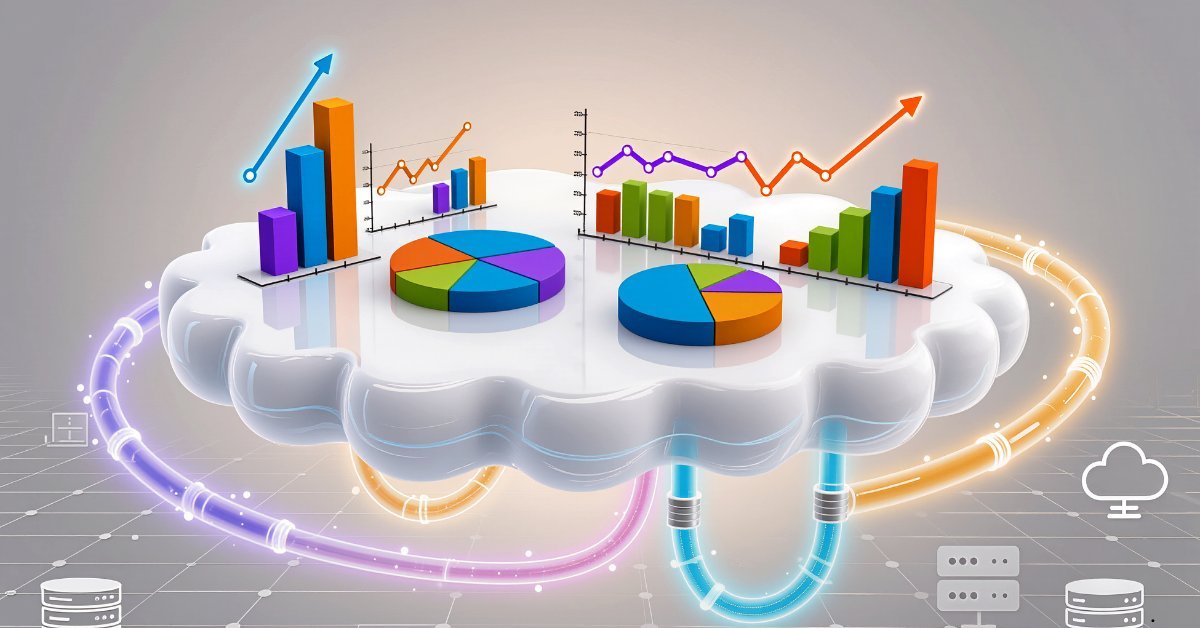
Transds: The Future of Transformative Data Systems and Distributed Intelligence
In today’s fast‑paced digital landscape, organizations continuously seek innovative solutions to handle complex data, accelerate decision‑making, and drive meaningful insights. One of the most promising developments in this evolution is transds—a next‑generation approach that blends distributed systems, advanced data processing, and cross‑disciplinary intelligence. As data volumes grow exponentially and the need for real‑time analytics becomes paramount, transds is emerging as a cornerstone for modern digital transformation strategies.
Also Read: maxine-sneed/
What Is Transds? Understanding the Core Concept
At its core, this represents the fusion of transformative data systems and distributed computing. Unlike traditional data frameworks that rely on centralized architectures, it leverages decentralized nodes, scalable processing power, and intelligent orchestration to manage data flows seamlessly across environments. This paradigm shift empowers organizations to process, analyze, and act on information in ways that were previously unattainable with legacy systems.
The essence lies in its ability to operate across heterogeneous data sources, integrate with artificial intelligence (AI) models, and ensure high availability. In practical terms, it supports real‑time analytics, predictive modeling, and automated decision‑making—all while maintaining system resilience and scalability. As industries increasingly rely on agile data strategies, this provides the foundation to support these demands.
The Evolution of Distributed Systems and the Rise of Next-Gen Data Frameworks
Distributed systems have long been recognized for their ability to handle complex workloads across multiple machines. Traditional distributed architectures laid the groundwork for innovations like cloud computing, microservices, and parallel processing frameworks. However, despite these advancements, many systems still falter when confronted with massive data streams, unpredictable workloads, or the need for intelligent orchestration. This is where next-generation frameworks distinguish themselves.
By integrating principles from distributed systems with cutting‑edge data transformation techniques, they enable seamless data integration across diverse environments. Whether processing sensor data in an IoT network or analyzing customer interactions in real time, these solutions ensure optimized performance and dependable results. One of the key strengths is enhanced data orchestration capability. Unlike traditional distributed systems that require manual configuration and intensive maintenance, these architectures often include intelligent automation, allowing systems to self‑organize, distribute workloads efficiently, and recover from failures without human intervention.
Key Components of Modern Data Architecture
To thoroughly understand how these systems work, it’s essential to explore their core components:
- Distributed Data Integration – Modern frameworks are designed to ingest data from multiple sources—structured, semi‑structured, and unstructured—without bottlenecks. This enables organizations to unify disparate datasets for comprehensive analysis.
- Scalable Processing Engines – At the heart are processing engines that can scale horizontally. Unlike monolithic systems, they distribute computational tasks across clusters, improving performance and reducing latency.
- Intelligent Orchestration – Advanced orchestration manages how tasks are assigned, executed, and monitored. Orchestration tools are often augmented with machine learning to predict optimal resource allocation.
- Real‑Time Analytics – Streaming analytics allows data to be analyzed as it arrives. This is critical for sectors like finance, healthcare, and transportation, where split‑second decisions are required.
- Security and Governance – Given the distributed nature of these frameworks, modern architectures incorporate stringent security measures, encryption protocols, and governance policies to protect data integrity and comply with regulations.
- Applications in Real‑World Scenarios The applicability of these systems spans multiple industries, proving their versatility and value:
- Healthcare and Medical Research: Data from electronic health records, wearable devices, genetic sequencing, and more can be integrated and analyzed in real time. This enhances diagnostic accuracy, supports predictive analytics, and enables early disease detection for better patient outcomes.
- Finance and Banking: Financial markets demand rapid, accurate insights. These frameworks enable firms to consolidate data from trading platforms, risk models, and customer interactions, improving fraud detection, optimizing trading strategies, and delivering personalized services.
- Manufacturing and IoT: Industrial machines constantly generate performance data. Integrating these streams enables predictive maintenance, reduces downtime, streamlines operations, and boosts productivity.
- Retail and Customer Experience: Retailers can analyze customer behavior, supply chain performance, and inventory levels in real time. This empowers dynamic pricing, personalized recommendations, and efficient stock management.
- Telecommunications: With data flowing from millions of connected devices, telecom companies can optimize network performance, deliver personalized services, and enhance customer support through real-time analysis.
Why It Matters: Benefits for Modern Businesses
In an era where data drives strategic decision-making, these frameworks offer a host of benefits:
Enhanced Scalability: Traditional systems often struggle with rapid data growth. Modern architectures scale effortlessly, ensuring performance remains consistent even as workloads expand.
Improved Speed and Performance: Distributed processing and real-time analytics allow businesses to extract insights faster, reducing time to value.
Cost Efficiency: By optimizing resource utilization and automating operational tasks, these systems reduce the need for costly infrastructure and manual labor.
Better Reliability: Intelligent orchestration and failover mechanisms ensure resilience, minimizing downtime and preventing data loss.
Cross‑Functional Integration: They break down data silos, allowing departments to collaborate and derive holistic insights that drive better strategic planning.
Challenges and Considerations in Implementation
Despite the advantages, organizations adopting these systems should be aware of certain challenges:
Complexity of Integration: Integrating with existing legacy systems requires careful planning to ensure compatibility and data consistency.
Skill Gaps: Building and maintaining these architectures demand expertise in distributed computing, data engineering, and AI/ML technologies. Organizations may need to invest in training or hire specialists.
Security Risks: While advanced security features are included, distributed environments can present vulnerabilities. Robust cybersecurity frameworks are essential.
Governance and Compliance: As data crosses borders and systems, adhering to privacy and governance regulations is crucial. Effective policies must be in place to manage compliance.
Best Practices for Successful Implementation
To maximize benefits, organizations should follow these best practices:
Start with a Clear Strategy: Define specific goals, use cases, and KPIs before starting a project. A strategic roadmap ensures alignment with business objectives.
Invest in Training: Upskill teams and hire specialists in distributed systems and data science for smoother implementation and long-term success.
Leverage Automation: Use tools for data ingestion, processing, and orchestration to reduce human error and improve consistency.
Prioritize Security: Implement end-to-end encryption, access controls, and regular security audits to protect distributed environments.
Monitor Continuously: Real-time monitoring and logging help detect anomalies quickly and enable proactive maintenance.
Also Read: irobux-com-redeem/
Future Trends and Predictions
As technology advances, these systems are poised to become even more integral to digital transformation:
AI-Native Systems: Integrating artificial intelligence directly enhances predictive capabilities, enabling self-optimization and self-healing.
Edge Computing Integration: Data processing closer to the source reduces latency and improves responsiveness.
Universal Data Meshes: Decentralized data architecture promotes domain-oriented data ownership and access.
Quantum Computing Influence: Quantum technologies may help solve complex data problems at unprecedented speeds.
Industry-Specific Solutions: Platforms will become more customized, offering modules and features tailored to specific sectors like healthcare, manufacturing, and finance.
Frequently Asked Questions (FAQs) About Transds
1. What does the term transds mean?
Transds refers to a next‑generation framework that integrates distributed data systems with transformative data processing capabilities, enabling real‑time analytics and intelligent decision‑making across diverse environments.
2. How is transds different from traditional distributed systems?
While traditional distributed systems focus on spreading computation across multiple nodes, transds enhances this by incorporating real‑time data transformation, intelligent orchestration, and seamless integration with AI technologies.
3. What industries can benefit the most from transds?
Industries such as healthcare, finance, telecommunications, manufacturing, and retail can greatly benefit from transds due to their need for real‑time analytics, scalability, and complex data integration.
4. What are common challenges in implementing transds?
Challenges include integrating with legacy systems, addressing security concerns, managing data governance, and overcoming skill gaps within technical teams.
5. Is artificial intelligence a part of transds?
Yes, many transds architectures incorporate AI and machine learning to enhance data processing, intelligent orchestration, and predictive analytics, making systems more adaptive and efficient.
Conclusion
Next-generation data frameworks represent a transformative approach to managing and deriving value from data. By combining distributed system principles with intelligent data orchestration and real-time analytics, they enable organizations to operate more efficiently, make data-driven decisions, and unlock innovation opportunities. While implementation may present challenges, the long-term benefits—scalability, performance, reliability, and insight—make them essential for modern businesses.
Also Read:
- Does GrossSound.com Sell Audio Products Directly? The Complete Answer for 2026
- Is GrossSound.com Free to Use? Everything You Need to Know in 2026
- Home Studio Setup and Music Business Growth: Building Success with Gross Sound Principles
- Gross Sound Noise Reduction: The Complete Guide to Cleaner, Clearer Audio
- GrossSound.com Music Theory: Understanding the Foundation of Modern Music